

cookerhood9939
About cookerhood9939
Guide To Small Cooker Hoods: The Intermediate Guide Towards Small Cooker Hoods
The Essential Guide to Small Cooker Hoods: Size Matters in Kitchen Design
In the modern kitchen, functionality and visual appeals go together. One part that plays a crucial role in both elements is the cooker hood. For those dealing with minimal area or looking for a minimalist design, small cooker hoods provide a perfect service. In this post, we will check out the importance of small cooker hoods, their types, features, advantages, and deal with some often asked questions.
Why Small Cooker Hoods Matter
Small cooker hoods serve an important function in any kitchen environment. They assist get rid of smoke, steam, grease, and smells produced throughout cooking, making sure a cleaner and healthier area. Not just do they improve air quality, but they also protect kitchen surface areas from grease accumulation, which can be a long-term maintenance concern.
Table 1: Benefits of Small Cooker Hoods
| Benefit | Explanation |
|---|---|
| Area Saving | Compact styles fit into small kitchen locations. |
| Improved Air Quality | Efficiently gets rid of smoke and smells. |
| Aesthetic Appeal | Offered in numerous designs to boost decoration. |
| Easy Installation | Generally simple to set up in tight spaces. |
| Versatility | Suitable for different types of cooking areas. |
Types of Small Cooker Hoods
When it pertains to selecting a small cooker hood, several alternatives are readily available. Various types accommodate varying kitchen layouts and preferences:
-
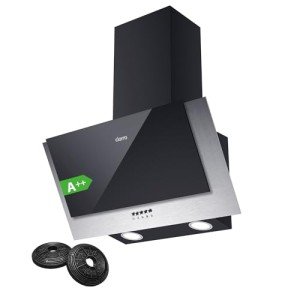
Wall-Mounted Cooker Hoods: These hoods are fixed to the wall above the stove. They are available in different designs, including standard and modern styles, making them appropriate for different kitchen visual appeals.
-
Under-Cabinet Cooker Hoods: As the name suggests, these are installed below Kitchen Extractor Hoods cabinets, best for maximizing counter area while offering effective ventilation.
-
Island Cooker Hoods: Intended for kitchens with an island cooking area, these hoods hang from the ceiling and can provide a remarkable focal point while effectively removing airborne particles.
-
Ductless Cooker Hoods: Ideal for apartment or condos or areas where venting outside is difficult, ductless hoods filter air through charcoal and recirculate it back into the kitchen.
-
Downdraft Cooker Extractors Hoods: These are retractable hoods that emerge from the counter top when in usage, using a sleek and discreet option for those who focus on style and area.
Table 2: Comparison of Small Cooker Hood Types
| Type | Setup Location | Installation Complexity | Air Extraction Method |
|---|---|---|---|
| Wall-Mounted | Wall above stove | Moderate | Ducted or ductless |
| Under-Cabinet | Below cabinets | Easy | Ducted or ductless |
| Island | Suspended over island | Moderate | Ducted |
| Ductless | Anywhere | Easy | Recirculating |
| Downdraft | Counter top | Advanced | Ducted or recirculating |
Secret Features to Look for in Small Cooker Hoods
Choosing the best small cooker hood includes searching for numerous features to guarantee they meet your requirements. Here are some vital features to consider:
-
Extraction Rate: Measured in cubic meters per hour (m ³/ h), this shows how efficiently the hood can get rid of smoke and smells. A greater extraction rate is generally much better for often used kitchens.
-
Noise Level: Measured in sones, the sound level must be considered, particularly in open-plan kitchens. Most small cooker hoods operate in between 30 to 70 dB. Try to find quieter designs for a more pleasant cooking experience.
-
Filtering System: Choose in between ducted and ductless hoods based on your kitchen layout. If going with ductless, ensure the hood has a top quality charcoal filter for reliable odor absorption.
-
Lighting: Built-in lighting can enhance exposure while cooking, making the entire cooking process more effective.
-
Ease of Cleaning: Removable and dishwasher-safe filters simplify upkeep. Stainless-steel surfaces are normally easier to clean than painted ones.
Table 3: Essential Features for Small Cooker Hoods
| Feature | Importance |
|---|---|
| Extraction Rate | Impacts air quality throughout cooking |
| Sound Level | Important for a pleasant Kitchen Extractor Hoods environment |
| Filtration System | Crucial for efficient removal of smoke and smells |
| Built-in Lighting | Enhances presence while cooking |
| Ease of Cleaning | Saves time and effort in upkeep |
Installation Considerations
Even with a compact size, the setup of a small cooker hood needs some preparation. Here are some key actions to think about:
-
Measure Your Space: Carefully determine the area above your cooking surface to ensure that the picked cooker hood will fit without overcrowding.
-
Pick the Right Height: Follow manufacturer specs for height positioning. Usually, the bottom of the hood should be 65-75 cm above the cooktop for optimum efficiency.
-
Inspect Ventilation: Ensure there’s an appropriate exit for ducted hoods. For ductless options, figure out the best placement for air recirculation.
-
Use Professional Help: If not sure about setup treatments or electrical connections, consider hiring an expert to make sure safety and optimal performance.
Frequently Asked Questions (FAQ)
-
What size cooker hood do I require for my small kitchen?
- The size depends upon the width of your cooking surface area. A general standard is to choose a hood that is at least the very same width as the cooking surface.
-
Are small cooker hoods less reliable than bigger ones?
- Not necessarily. A properly designed small cooker hood can successfully deal with smoke and smells simply as well as a larger design, especially if it has a high extraction rate.
-
How do I keep my small cooker hood?
- Routinely clean or replace filters based on the manufacturer’s suggestions. Wipe down the hood surface with a moderate cleaner to avoid grease accumulation.
-
Can I set up a cooker hood myself?
- It is possible, but for those not familiar with plumbing and electrical work, hiring an expert can guarantee security and proper setup.
-
Is a ductless cooker hood effective?
- Ductless hoods can be efficient, specifically in kitchens without appropriate ventilation. Nevertheless, they need regular filter changes to make sure optimal performance.
Small Cooker Fan hoods are a functional and elegant need for modern kitchens, particularly in limited areas. From numerous types to vital functions, comprehending what to search for can make sure that you choose the very best choice for your cooking environment. By focusing on air quality, looks, and maintenance, house owners can create a gorgeous and effective kitchen that deals with their particular requirements.
No listing found.